
Shopify Product Change History
 Spreadsheet EditorExport: Excel & CSV Updated October 6, 2026
 On this page
Mixtable keeps a history of the changes to your Shopify data. When a tracked field changes, whether someone edited it in Shopify or synced a new value from a Mixtable spreadsheet, Mixtable records the old value, the new value, and when it happened. A change synced from Mixtable also names the person who clicked Sync and the spreadsheet, worksheet, and cell it came from.
There are two ways to look at it:
- Cell history shows the changes to one field, such as a product’s price, status, or tags
- Row history shows the changes to all the tracked fields in a worksheet row, such as everything your worksheet shows for one product
Before you start
Mixtable keeps history for cells linked to Shopify, so you open it from a Shopify data worksheet, such as Products (with variants) or Products (no variants). If your spreadsheet doesn’t have one yet, add it:
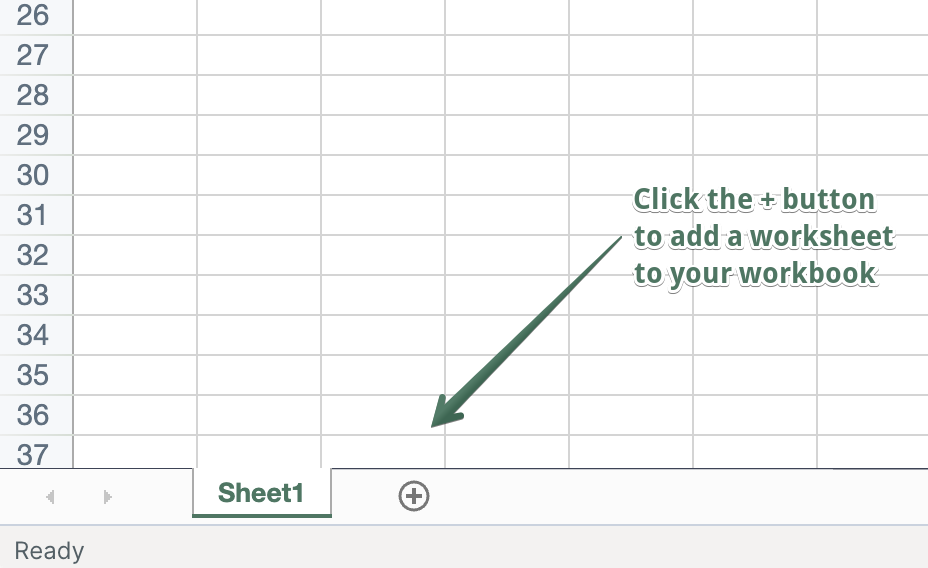
In an existing Mixtable spreadsheet, click the + button at the end of the worksheet tabs, at the bottom of the screen, to add a new worksheet.
See how one field changed with Cell history
Cell history follows a single Shopify field, such as a product’s price, status, or tags.
- Click the cell you want to check
- Right-click the cell and choose View cell history
The Cell history window opens.
You can also open it from the row menu: select a cell in the column you want, right-click that row’s number, and choose Cell history. The menu shows which cell it opens, such as F12. Choosing Row > Cell history from the menu bar does the same for the selected cell.
What Cell history shows
At the top, Cell history names the Shopify field and the cell, for example Price and Cell F12. Below that you’ll see:
- Current value: what the cell holds now, marked In Shopify, or Not in Shopify yet if it has been edited but not synced. An unsynced edit also says when it was changed and what Shopify still has until you sync
- Changes: the recorded changes, newest first, grouped by day (Today, Yesterday, then the date)
Each change shows:
- The old value and the new value, for example 36.00 → 38.00. Long values, such as tags or a description, appear on separate From and To lines, and an empty value appears as blank
- The time it happened
- Where it came from: Shopify for a change that arrived from Shopify, or the name of the person who clicked Sync (You, if it was you) for a change synced from Mixtable
A change synced from Mixtable also shows where its value came from: This cell, This worksheet with the cell address, or the spreadsheet, worksheet, and cell, for example Summer catalog › Variants · F12. If that worksheet has since been deleted, the entry says In a deleted worksheet.
History belongs to the Shopify field, not to one cell. When a product appears on several rows, or in several spreadsheets, every cell that shows its title lists the same changes, wherever they were made.
Some price fields start with an entry that reads First recorded value: the value the field had when Mixtable started recording it. See View Shopify product price history to learn more.
In the example below, Cell history shows how the tags of a product changed.
See every change in a row with Row history
Row history puts the changes to all the tracked fields in one worksheet row into a single list, such as everything your worksheet shows for one product or variant.
- Find the row you want to check
- Right-click its row number and choose Row history
You can also click a cell in the row and choose Row > Row history from the menu bar. The Row history window opens.
Row history shows the same details as Cell history, newest first and grouped by day. Each entry starts with the column it belongs to, such as F · Price, so you can tell the fields apart.
Row history covers the fields your worksheet shows as columns. To include another field, such as Cost Per Item, add a column for it.
What has history
Mixtable keeps history for the Shopify fields you can edit and sync from a spreadsheet, plus metafields, collections, sales channels, market and B2B catalog prices, and translations.
| Shopify data | Fields with history |
|---|---|
| Products | Title, handle, description, product type, vendor, tags, status, theme template, category, option names, metafields (including SEO title, SEO description, and Google Shopping fields), collections, sales channels, translations |
| Variants | Price, compare-at price, cost per item, SKU, barcode, taxable, tax code, inventory policy, option values, inventory tracking, physical product, weight, country and province of origin, HS code, metafields (including Google Shopping fields), market and B2B catalog prices, sales channels, translations |
| Collections | Title, handle, description, sort order, theme template, metafields, sales channels, translations |
| Customers | First and last name, email, phone, language, note, tags, customer status, tax exempt, email and SMS marketing consent, metafields |
| Orders | Email, note, tags, PO number, shipping address, metafields |
| Pages | Title, handle, content, visibility, published date, theme template, metafields, translations |
| Blog posts | Title, handle, content, summary, tags, author, blog, visibility, published date, theme template, metafields, translations |
Blogs, companies, company locations, metaobject entries, media image alt text, and the metafields of markets and discounts have history too.
Mixtable doesn’t keep history for:
- Inventory quantities. To see how stock levels changed over time, use the inventory analytics in Mixtable Analytics Spreadsheet
- Analytics columns, Related Data Fields, and other calculated values, including everything on Reporting worksheets
- Images and image links
- IDs, and dates Shopify sets on its own, such as created and updated dates
- A variant’s own title, which Shopify builds from its option values
- Market and B2B catalog prices that Shopify works out automatically from your base price, a price adjustment, and exchange rates. Only fixed prices have history
- Fields of records you can’t edit from Mixtable, such as order lines, fulfillments, refunds, returns, and payouts
- Cells that aren’t linked to Shopify, such as cells in a Basic worksheet or in a column you added yourself
When a cell has no history
Cell history tells you why:
- Mixtable keeps history only for cells linked to Shopify. The cell isn’t linked to a Shopify field. It might be in a Basic worksheet, in a column you added yourself, or in the header row
- Mixtable doesn’t keep history for this field. The cell shows a Shopify field without history, such as an inventory quantity or an analytics metric
Row history says Mixtable doesn’t keep history for the fields in this row. when none of the row’s columns have history. A field with history that hasn’t changed yet shows No changes recorded yet.
When Mixtable records a change
Mixtable records a change when a new value arrives from Shopify, or when Shopify accepts a value synced from Mixtable. Each change is recorded once, however many worksheets show the field.
Fields your worksheets show
Mixtable records the changes made in Shopify to the fields your worksheets show as columns. When you add a column, its history starts from then. A change made in Shopify while no worksheet shows the field isn’t recorded, so keep a column in a worksheet for any field whose history you want to follow. Changes you sync from Mixtable are always recorded, because they come from a worksheet.
Prices recorded for every variant
Prices are the exception. Mixtable records every variant’s price, cost per item, and fixed market and B2B catalog prices, whether or not a worksheet shows them, so their history is already there when you add the column. Compare-at prices follow the usual rule and are recorded while a worksheet shows them. See View Shopify product price history.
Good to know
- Typing in a cell doesn’t add to history. Until the edit is synced, Cell history shows it as the current value, marked Not in Shopify yet. Once it’s synced, the change is recorded under the name of whoever clicked Sync
- Some data doesn’t come in from Shopify on its own, such as market and B2B prices, translations, blog posts, and pages. A change made in Shopify to that data is recorded when you download the latest from Shopify, and the change shows the time it came in
- Changes made with Action columns, such as adding tags, reach the field through Shopify, so they’re labeled Shopify
- Only real changes count. Syncing a value that Shopify already has doesn’t add an entry
How many changes you can see
Each window shows the latest 1,000 changes. When there are older ones, a note at the bottom says so, with a link to contact support.
History is view only
You read changes in Cell history and Row history, and make them in your worksheet. To go back to an earlier value:
- Open Cell history and find the value you want
- Close the window, then type or paste that value into the cell
- Click Preview at the top right of the spreadsheet to review your changes, then click Sync
The sync is recorded as a new change, so the history stays complete.
Related
- To see a row’s whole Shopify record as it is now, including fields that aren’t columns in your worksheet, open the Details panel
- For prices, costs, market prices, and B2B catalog prices, see View Shopify product price history